Sync
Daily Multivitamin
Omega-3
Brain & Heart Health
Adapt
Stress & Resilience
Recharge
Restorative Sleep Complex
Flow State
Energy & Focus
Neurolytes
Hydration & Performance
Creatine
Ultra-Fine Powder | 200 Mesh
Restore
Cellular Recovery Complex
Health Baseline
Essential Health Bundle
Around The Clock
Sleep & Energy Balance
Mental Recovery
Restore & Adapt Stack
Physical Performance
Performance & Recovery Stack


Sync
Daily Multivitamin
Omega-3
Brain & Heart Health
Adapt
Stress & Resilience
Recharge
Restorative Sleep Complex
Flow State
Energy & Focus
Neurolytes
Hydration & Performance
Creatine
Ultra-Fine Powder | 200 Mesh
Restore
Cellular Recovery Complex
Health Baseline
Essential Health Bundle
Around The Clock
Sleep & Energy Balance
Mental Recovery
Restore & Adapt Stack
Physical Performance
Performance & Recovery Stack



Sync
Daily Multivitamin
Omega-3
Brain & Heart Health
Adapt
Stress & Resilience
Recharge
Restorative Sleep Complex
Flow State
Energy & Focus
Flow State
Energy & Focus
Creatine
Ultra-Fine Powder | 200 Mesh
Restore
Cellular Recovery Complex
Health Baseline
Essential Health Bundle
Around The Clock
Sleep & Energy Balance
Mental Recovery
Restore & Adapt Stack
Physical Performance
Performance & Recovery Stack
Most people chase cognitive performance with stimulants, but what if I told you that one of the most powerful tools to enhance both your cognitive performance & brain health might actually be in your gym bag? While creatine is often touted as the safest and most researched dietary supplement for physical health and performance, emerging evidence highlights its unique ability to advance brain health and cognitive performance. In this guide, I’ll walk you through exactly what creatine is, how it works, how to choose a clean source, and how to optimize your creatine dose for brain saturation. By the end, you’ll have a comprehensive framework on how to best use creatine to upgrade your brain health and performance.
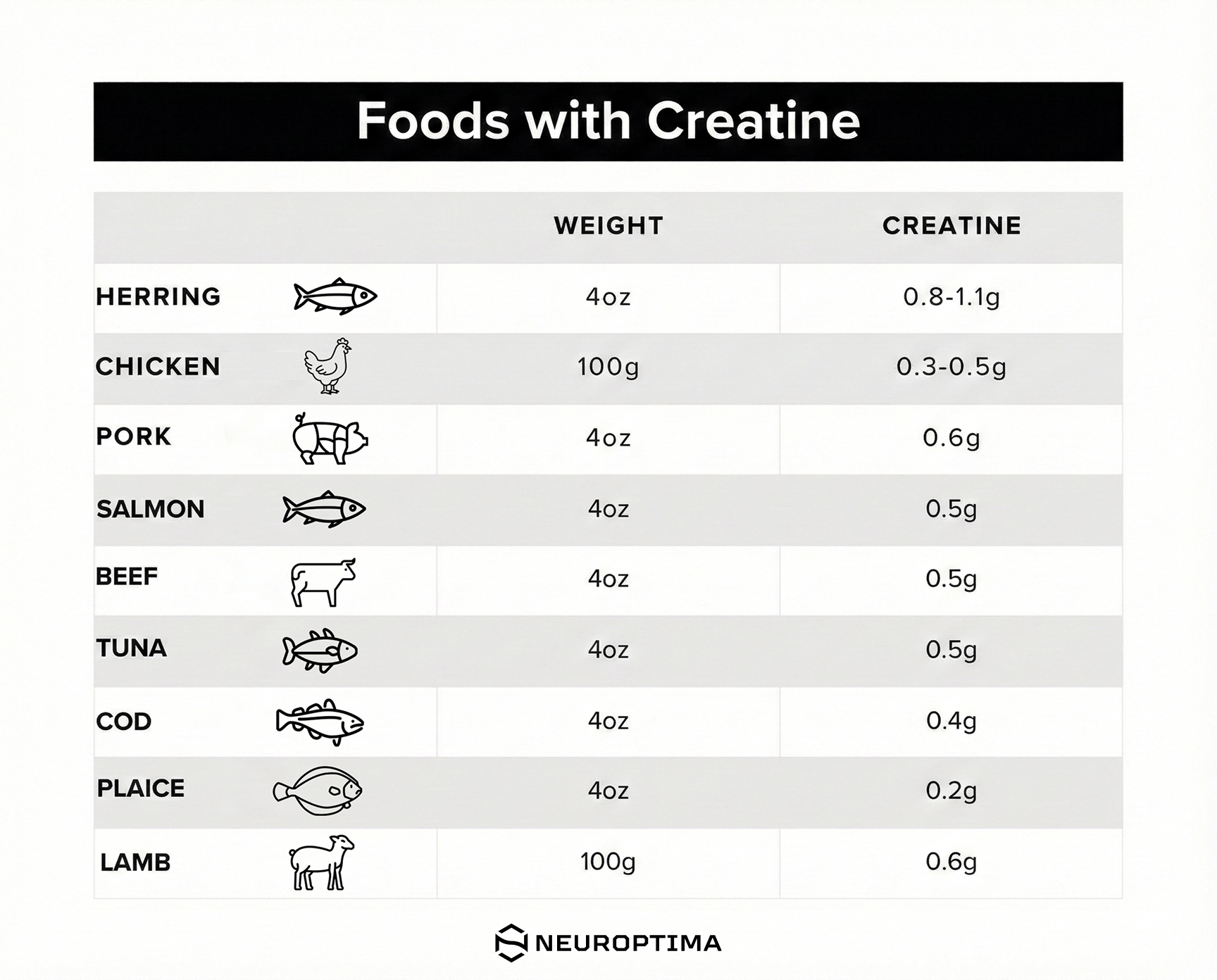
Creatine is a molecule produced naturally in the body and found in creatine rich foods like red meat and fish. While our bodies produce creatine in the liver, kidneys, and pancreas, it’s rarely produced in the quantities needed to sustain peak performance – especially if you are regularly under heavy cognitive load, sleep-restricted, stressed, or training hard
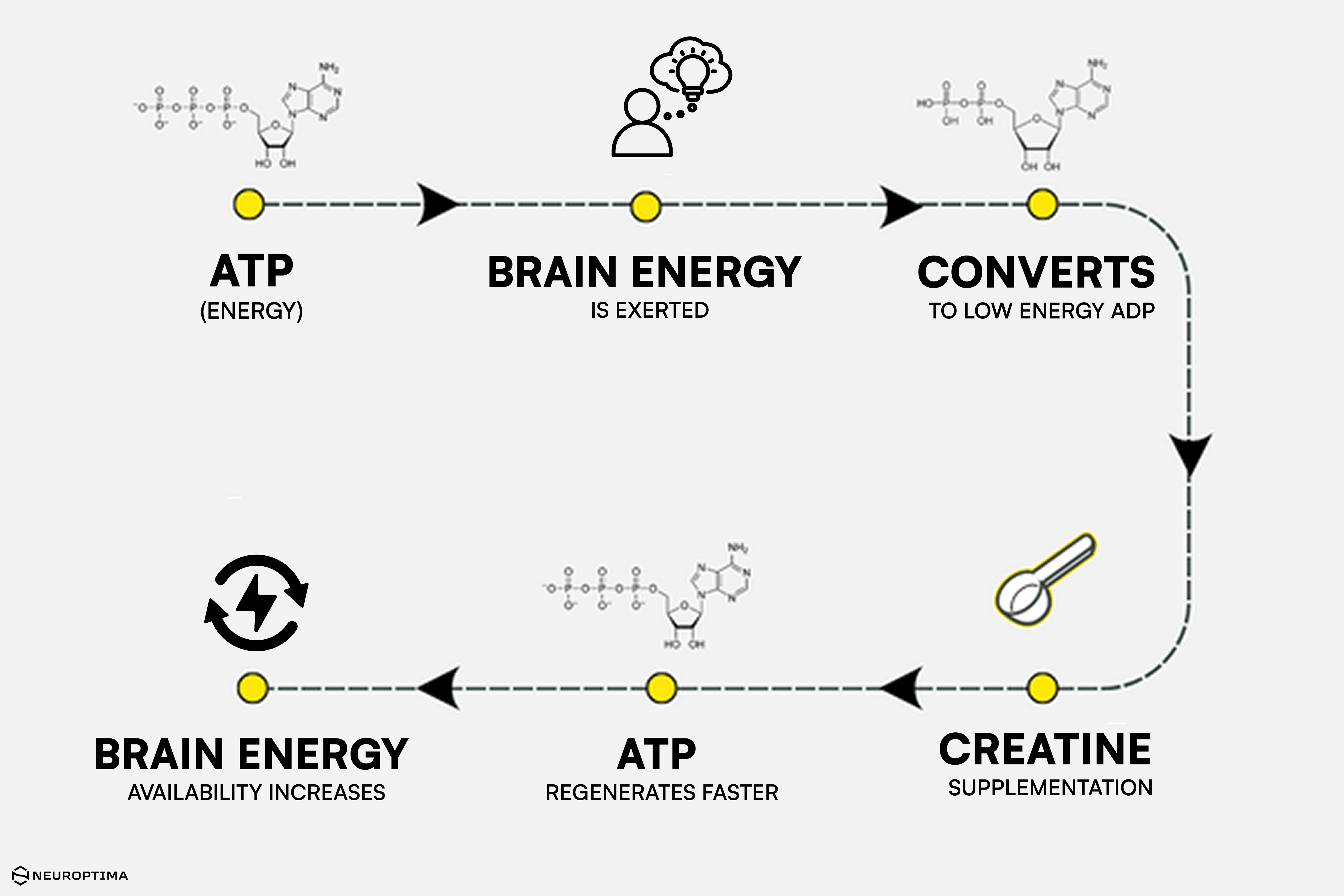
Its primary role in the body is to help our cells make energy. It helps replenish ATP (adenosine triphosphate), which is the primary currency of energy for our cells. This is why it’s famous for helping you push out that last rep in the gym, but also why it’s critical for brain performance.
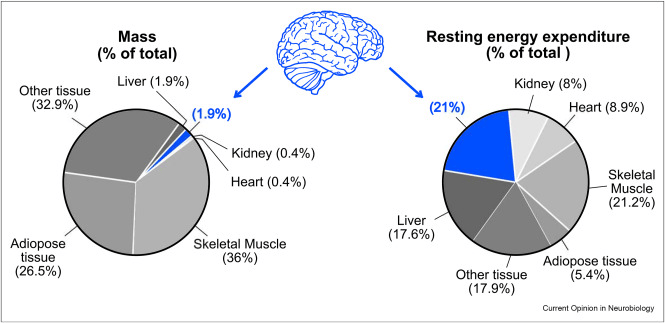
Your brain is an energy-hungry organ, making up roughly 2% of your body mass while accounting for nearly 20% of your resting energy expenditure. When energy demand in the brain increases, creatine acts as an energy buffer, increasing ATP availability and helping your brain meet the increased demand.
While creatine is a naturally occurring molecule, nearly all creatine supplements are produced synthetically due to the extremely high costs of deriving it from natural sources. That isn’t inherently a problem — “synthetic” doesn’t automatically mean unsafe or lower quality. What matters is sourcing: choose creatine from a vetted supplier that provides third-party testing for purity and contaminants (like microbes, heavy metals, and undissolved solvents used during production), and can share recent Certificates of Analysis (COAs) for the exact batches used.
.png)
If you’re on the market for a high quality creatine supplement, you’ll likely come across different forms of creatine claiming to be the best. Let’s cut through the noise.
The Gold Standard: Creatine Monohydrate
I recommend creatine monohydrate because it is the most researched, proven, and cost-effective form available. While other forms exist, they lack the decades of safety and efficacy data that back monohydrate forms.
When shopping, you might see terms like "Micronized" or "Instantized." These are simply versions of monohydrate that have been processed to have smaller particles for better solubility, making them easier to mix.
Creatine HCl
Creatine ethyl ester (CEE)
The most important take away here is that while these different carriers all deliver creatine, they differ in cost, evidence depth, and sometimes GI tolerance. Overall, creatine monohydrate has the best evidence and value.
This is a common debate: creatine pills vs powder.
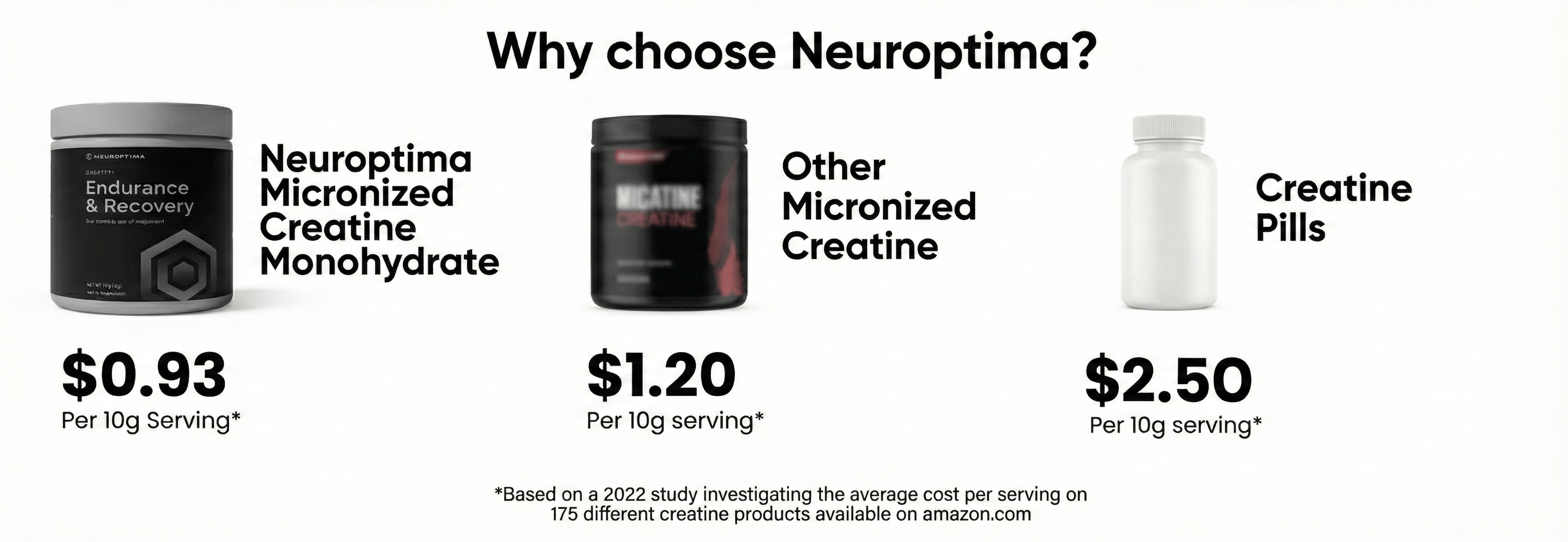
Powder → Generally cheaper, offers flexible dosing, and is easy to mix into shakes or water.
Pills → Ultimate convenience and portability, but you often pay a premium for it.
Both deliver the same molecule; the "best" choice is simply the one you will actually remember to take.
Identifying your ideal creatine dose depends on your size, goals, and lifestyle. Muscle saturation is highly efficient and happens quickly, whereas brain saturation is much less efficient and happens slower. The daily dose for someone who’s aiming to elevate their baseline health and/or physical performance will vary substantially from a high performer aiming to enhance their cognitive performance.
Here’s how to choose the right dose for you:
Baseline Health & Physical Performance → 3-5 grams taken daily typically works well for most people and reliably maintains muscle saturation. This dosage range has been shown to fully saturate muscle creatine store over 6-weeks and maintain saturation. If you’re wanting a more tailored approach, you can find your optimal dose for baseline health and physical performance, use this formula:
[Your bodyweight in kilograms] × [0.10] = grams to supplement daily
Cognitive Performance → 8-10 grams taken daily is a great starting point for those under heavy cognitive load, sleep-restricted, stressed, or training hard. This dosage range has been shown to increase phosphocreatine stores in the pre-frontal cortex. If you’re wanting a more tailored approach, you can find your optimal dose for cognitive performance, use this formula:
[Your bodyweight in kilograms] × [0.15] = grams to supplement daily
Instances of Sleep Deprivation → 20-30 grams taken as a single dose has been shown to offset cognitive deficits caused by sleep deprivation. To find your ideal single dose that corresponds to the doses used in this study, use this formula:
[Your bodyweight in kilograms] × [0.35] = grams to supplement next day
Important note: This is a situational protocol, not your daily creatine dose. Split up this dose into multiple doses if you’re prone to GI upset and prioritize hydration.
You can load (e.g., 20 g/day for ~5–7 days) to saturate muscle faster, but this certainly isn’t a requirement to experience the benefits of creatine supplementation. If you skip loading, you’ll still reach body saturation, but that saturation will just happen over the course of a few weeks rather than during the duration of a loading phase.
When → Creatine should be taken every day to maintain saturation levels. Consistency matters more than timing. Higher doses (10g+/day) can be split into multiple smaller doses to reduce the likelihood of GI discomfort.
How → Creatine mixes well with most liquids. It can be mixed with water, juice, protein shakes, and even hot liquids like coffee or tea. It’s fine to take it on an empty stomach, but some find it settles better in the stomach with a light meal.
Despite its safety profile, creatine is surrounded by decades of “bro-science”. Let’s tackle the most common myths and frequently asked questions.
1. Does creatine cause hair loss? This is one of the most persistent myths. The vast majority of research shows no direct link between creatine supplementation and hair loss in healthy individuals.
2. Is creatine a steroid? Absolutely not. Creatine is an amino acid derivative, not a hormone. It does not interact with your endocrine system like anabolic steroids do.
3. Does creatine make you fat? Creatine draws water into your muscle cells, which can cause a slight increase on the scale. This is water retention, not fat gain. In fact, by supporting better workouts, it often aids in body composition goals.
4. Is creatine safe for teenagers? Research suggests that creatine is safe for teenagers who are training seriously, provided they take the recommended dose.
5. Does creatine cause headaches? Headaches are not a consistently experienced side effect of creatine supplementation. If you;re experiencing them, check hydration, electrolytes, sleep, and caffeine intake.
6. Does creatine cause itching or anxiety? Itching and anxiety are not common side effects of pure creatine monohydrate. If you’re taking a pre-workout that contains creatine and experiencing these, look for ingredients like Beta Alanine (itching) or stimulants (anxiety) that are mixed with it. Those are typically the most common culprits for those effects.
7. Can I take creatine and not workout? Yes, creatine is an excellent supplement for non-athletes, vegetarians, and vegans (who often have lower baseline levels). As we’ve highlighted, its benefits span far beyond physical performance.
8. Does creatine help with sleep? Some emerging theories suggest better brain energy management might support sleep quality, though more research is needed.
If you care about your daily output, reaction time, and staying sharp under pressure, the real question isn't if you should take creatine, but why you haven't started yet. Pick a creatine dose, run it daily for 30-days, and experience the benefits for your mind and body for yourself.
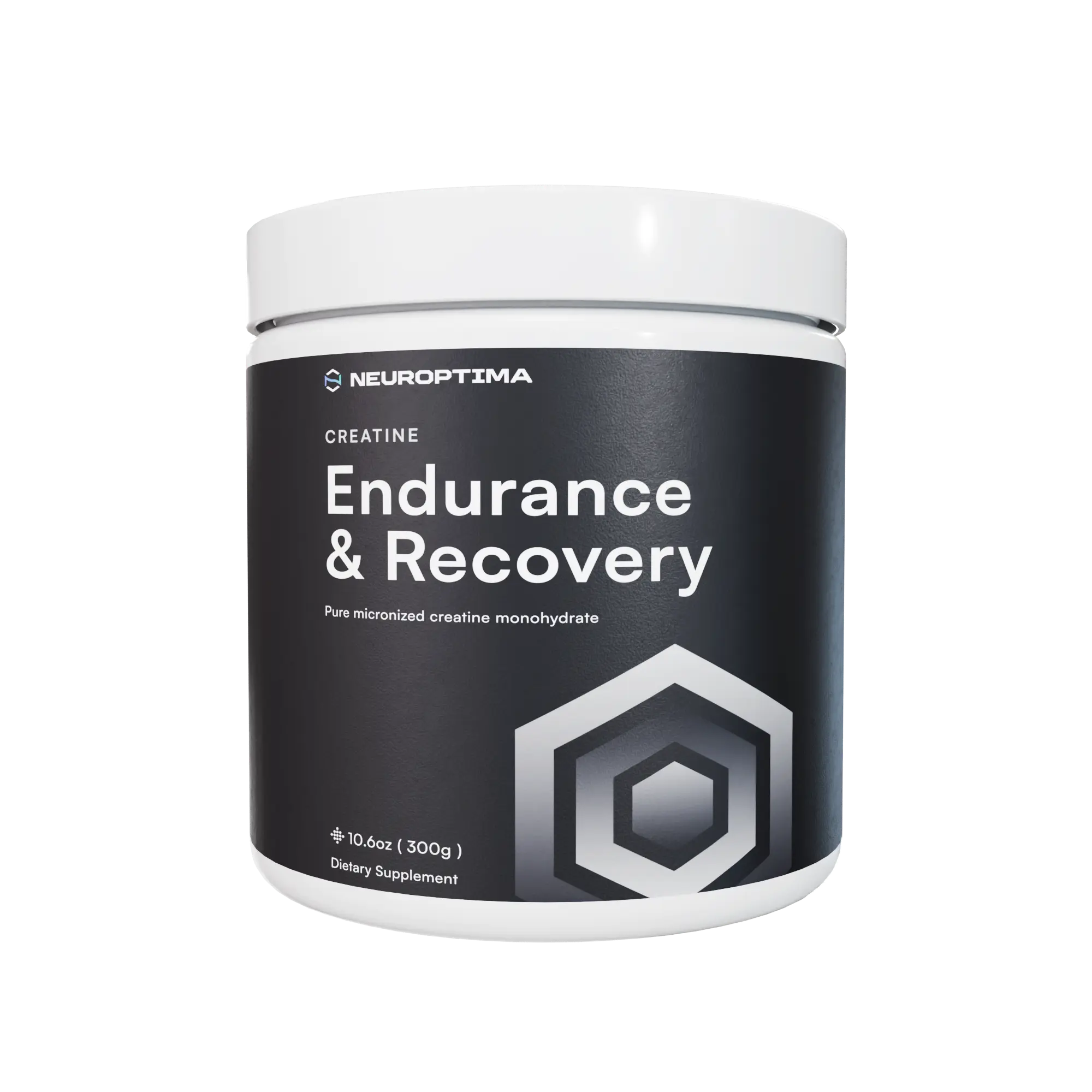
Shop our pharmaceutical-grade micronized creatine monohydrate: https://www.neuroptima.com/creatine


.svg)